support your body in early spring

This weekend brings a shift into Spring with Daylight Saving Time. We made it through the darkest stretch of, what ended up being, a ‘real winter’ on the Cape, and the first glimmers of spring are finally starting to show. The clocks jump ahead, the days stretch a little longer, and even if the snow isn’t completely melted, something deeper in the seasonal rhythm has already begun to shift.

In Traditional Chinese Medicine, spring doesn’t start on the calendar date most of us recognize. Energetically, it begins much earlier, around the beginning of February, when the natural world slowly emerges from winter’s deep rest. At first, the changes are subtle: a softer quality to the light, a little more moisture in the air, the occasional warm afternoon that makes you think maybe we’re turning a corner. And then the next day it snows again — perfectly spring-like in its unpredictability.

The Energy of Early Spring

In Traditional Chinese Medicine, spring is associated with movement, growth, and awakening. It corresponds to the Wood element, a phase associated with growth, renewal, and the gradual return of movement after winter.

After winter’s inward stillness, both body and mind begin to stir. Energy that was stored and conserved during the colder months starts to circulate again, encouraging activity, creativity, and forward momentum. Can you feel that shift?

But early spring is rarely smooth or consistent. This time of year is also associated with Wind, the most changeable of environmental forces. Wind arrives suddenly, shifts direction without warning, and can feel invigorating one moment and unsettling the next. That same quality often shows up internally during this seasonal transition. Early spring energy can feel: unpredictable, windy (both literally and metaphorically), restless, and full of starts and stops. One day you feel energized and ready to reorganize your entire house; the next, you want to crawl back under a blanket. That push-pull feeling is a hallmark of this transitional season — a reflection of the shifting weather outside and the subtle changes taking place within the body.

Spring is also closely connected to the Liver system in TCM, which is responsible for the smooth flow of energy (Qi) throughout the body. During this time, people may notice tension in the neck and shoulders, changes in mood, digestive shifts, or a general sense of restlessness. These are often simply signs that the body is adjusting as energy begins to circulate more actively with the arrival of spring.

Supporting the Seasonal Transition

As the body shifts out of winter’s slower rhythm, it’s common to notice areas that feel a little stuck — lingering stiffness, sluggish circulation, or tension that built up during months of cold weather and reduced movement. This makes spring an ideal time to encourage gentle movement throughout the body’s systems with sessions such as Lymphatic Drainage, Reflexology, and Acupuncture.

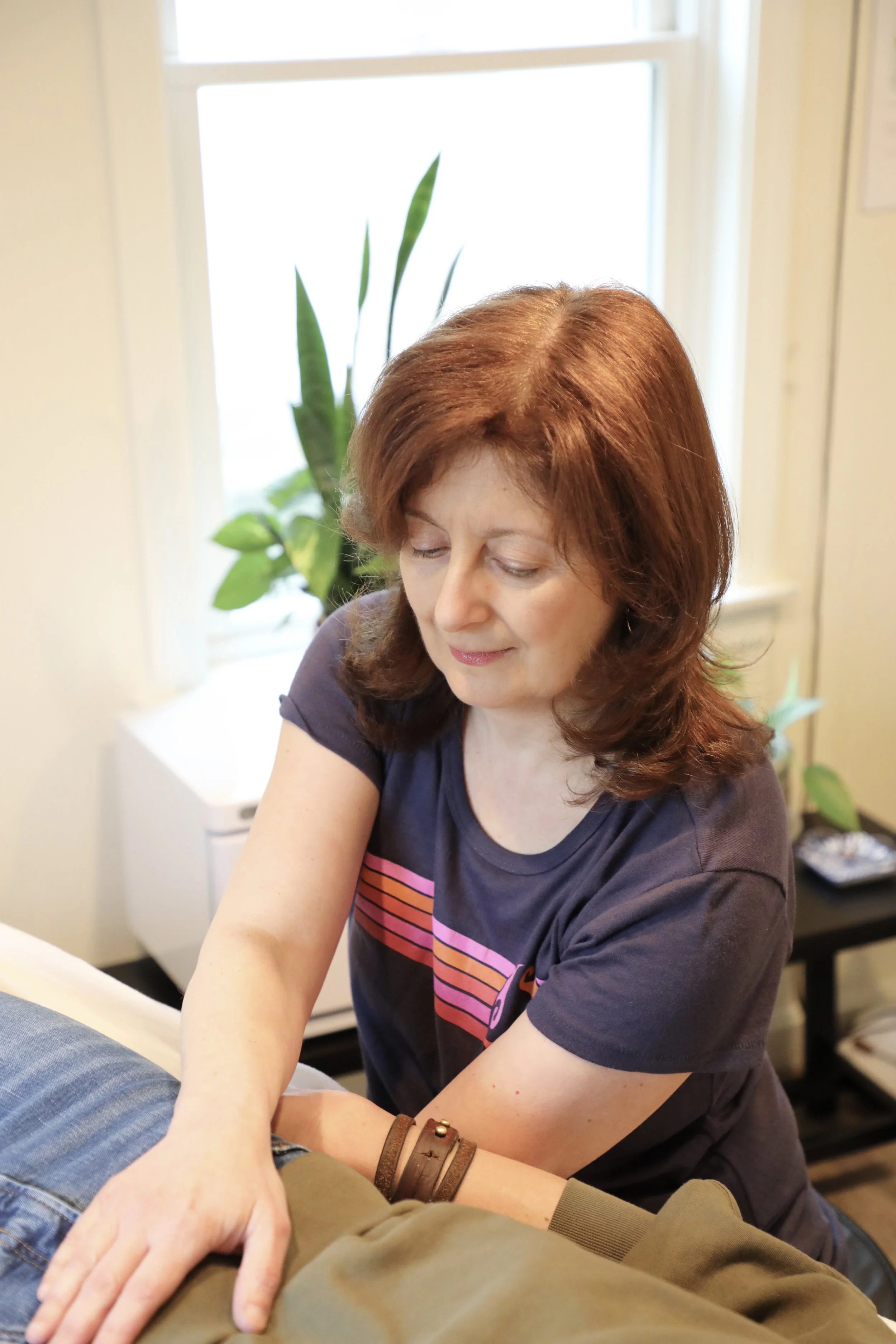
Lymphatic Drainage is an especially supportive treatment in the spring months. It helps stimulate the body’s detoxification pathways, encouraging the movement of fluid and reducing the heaviness that can linger after winter. By supporting circulation and lymphatic flow, it’s a wonderful way to help the body transition into the new season.

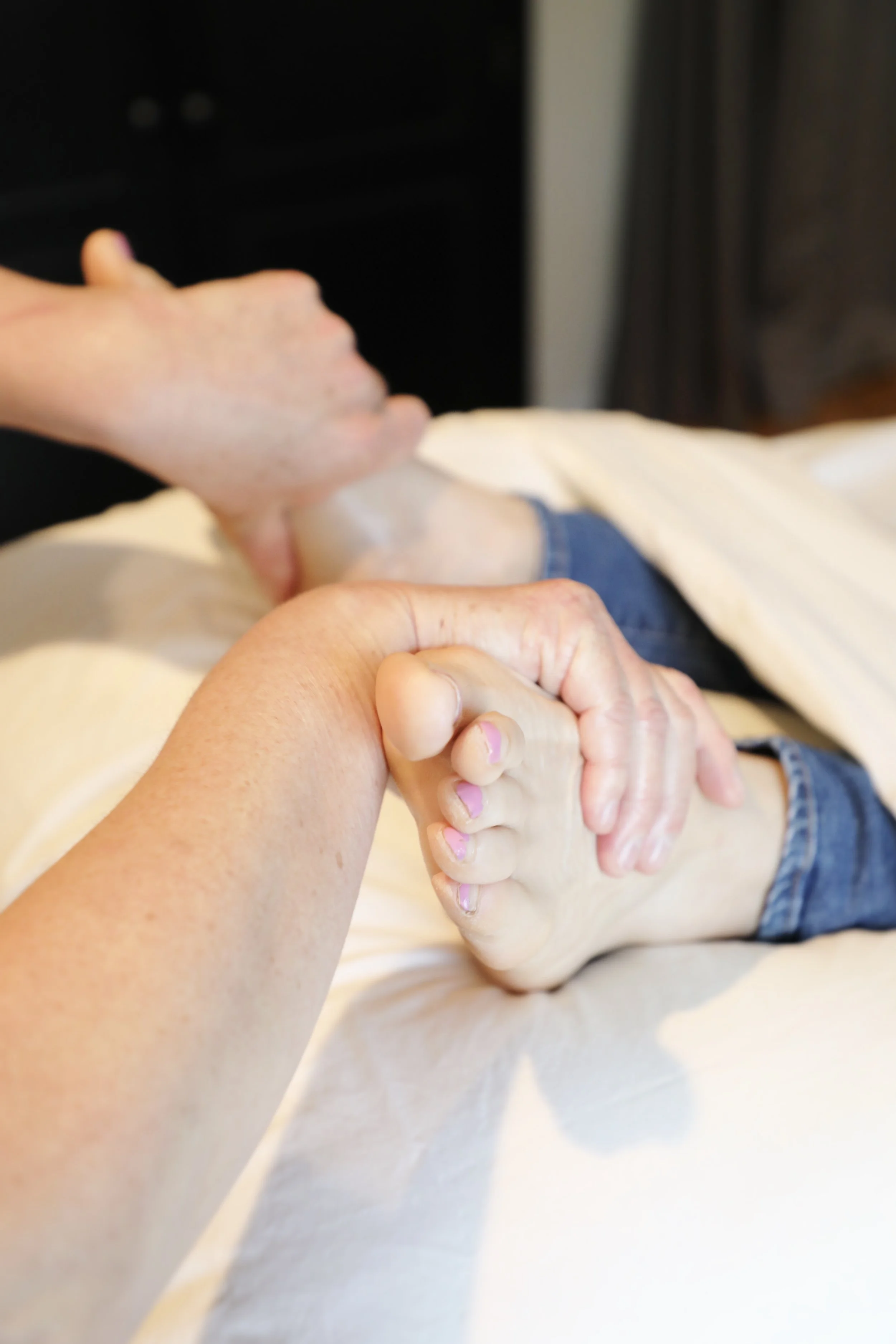
Reflexology stimulates reflex points connected to major organs, reawakening the body’s internal systems after winter’s slower pace. Encouraging balance, increasing circulation, supporting digestion and resetting the nervous system, Reflexology helps the body recalibrate as the energy of the season begins to shift.

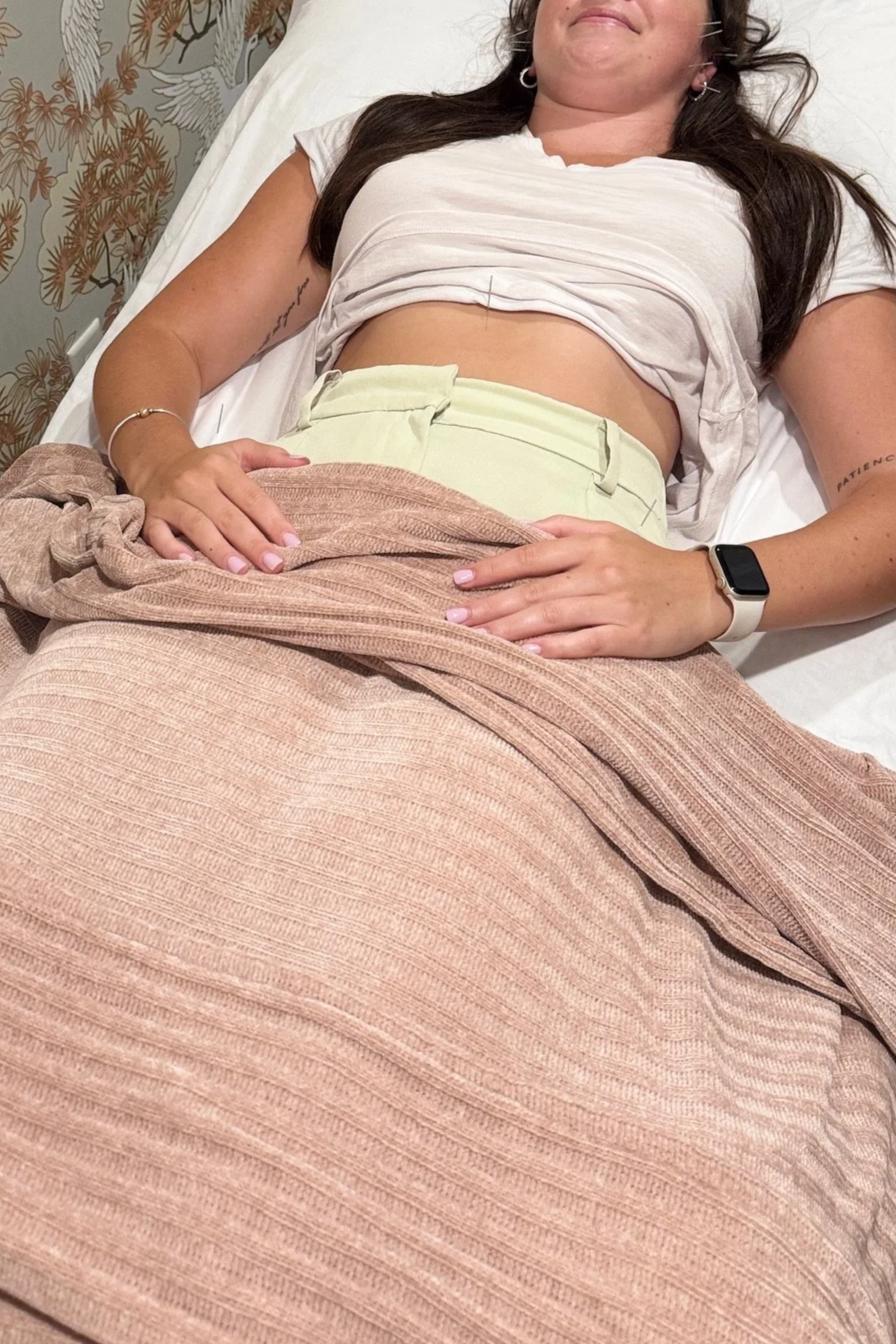
Acupuncture helps supports the Liver system in spring, restoring the smooth flow of energy throughout the body, easing tension, and guiding the natural rise of energy that accompanies the changing season. When the Liver is supported, Qi flows smoothly and we feel more balanced emotionally and physically.

Spring is already on its way. Some days will feel light and energizing, others may still call for rest and warmth — and that’s exactly the rhythm of early spring. Together, these treatments support the body in doing what it’s already trying to do this time of year: release what has been stagnant, restore movement, and settle into the new rhythm of the season. We look forward to supporting you through the seasonal transition.

The Year of The Fire Horse

February 17th marks the beginning of the Chinese New Year — a transition that feels very different from January 1st. Rather than starting with resolutions or pressure, it begins with movement in nature. Light shifts, days lengthen, and something quietly wakes up inside us. In Traditional Chinese Medicine, this is the true energetic new year: the moment potential begins turning into action.

This year we enter the Year of the Fire Horse, one of the most expressive energies in the zodiac cycle. If the past year felt internal, reflective, or uncertain at times, that wasn’t stagnation — it was preparation.

Last year carried the energy of the Wood Snake, a sign associated with observation and discernment. Snake years reorganize life from the inside out. They help us shed what no longer fits, question direction, and quietly redefine priorities. Many people spent the year reevaluating commitments, simplifying relationships, or realizing they couldn’t continue forward in the same way. Even when life looked unchanged externally, clarity was forming internally.

The Horse now takes that clarity and asks us to live it.

The Spirit of the Fire Horse

Horse years bring motion, independence, and momentum. When paired with the Fire element, that movement becomes expressive, social, and visible. In TCM this is Heart energy — not just emotion, but vitality: the feeling of being engaged in your own life.

You may notice a stronger urge to act rather than analyze. Ideas that sat in the background want form. Decisions that once felt complicated become obvious. Many people feel ready to start something, change direction, travel, create, or finally say what they’ve been holding back.

Where the Snake observed, the Horse participates.

In TCM, Fire governs the Heart and Shen — the spirit responsible for presence, connection, and joy. When balanced, it creates enthusiasm and warmth. When excessive, it becomes restlessness. People often feel energized yet unable to settle: lighter sleep, racing thoughts at night, emotional highs followed by fatigue.

The goal isn’t to slow life down, it’s to give movement a rhythm.

Caring for yourself in a Fire year

This year supports action — but sustainable action. Think less about conserving energy and more about circulating it well.

1. Rest before burnout
Don’t wait until exhaustion forces you to stop. Schedule recovery the same way you schedule productivity. Earlier nights, quiet evenings, and stepping away before you hit your limit protect your energy far better than collapsing afterward.

2. Ground after stimulation
After busy days, conversations, travel, or screen time, give your nervous system a signal that activity is complete. Warm showers, bodywork, stretching, or even a short walk help the body transition out of “on” mode.

3. Move gently but consistently
The Fire Horse thrives on motion, but intensity isn’t required. Walking, yoga, light strength work, or anything rhythmic keeps energy flowing without overheating the system.

4. Cool the mind, not the motivation
Hydration, mineral-rich foods, and warm regular meals stabilize the overstimulation that often accompanies a Fire year. You don’t need to dampen enthusiasm — just anchor it.

5. Use supportive care to regulate
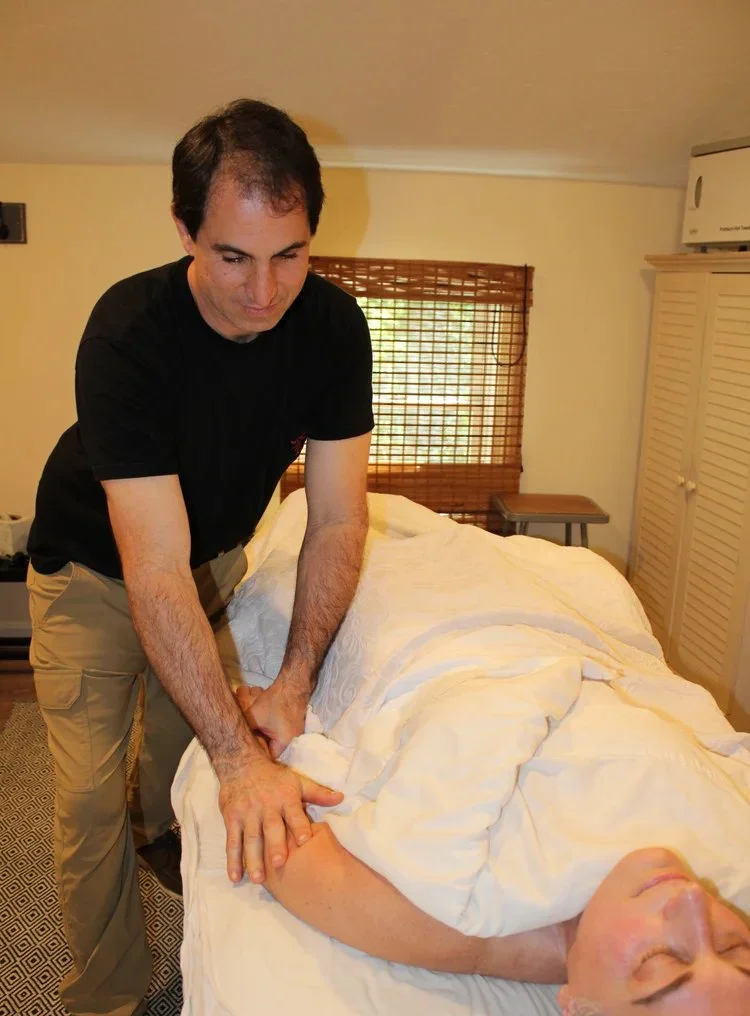
Acupuncture, Massage, and Reflexology help calm the nervous system, improve sleep, and release tension so energy stays steady instead of swinging between highs and crashes.

Last year helped you understand what matters. This year asks you to live in alignment with it.

Follow what energizes you, pause before depletion, and allow support to be part of your rhythm. When activity and recovery move together, the Fire Horse carries you forward instead of running you over.

Self-Love, Simplified

Self-love isn’t only about bubble baths, positive affirmations, or finally feeling comfortable in your own skin (though those things absolutely have their place). At its core, self-love is also about taking care of yourself by doing the simple, supportive things that help you feel your best with energy, clarity, and presence.

Sometimes, loving yourself looks less glamorous and more practical. It looks like drinking water even when you’d rather have coffee. Going to bed earlier than planned. Eating a real meal with fruits or vegetables instead of skipping it altogether. Moving your body in a way that feels good—not punishing or extreme, just enough to remind your body that it’s alive and supported.

And sometimes, self-love looks like carving out time that is just for you. Time where you don’t need to check your phone, respond to anyone else’s needs, or think about what’s next. Just a pause. A moment to rest, breathe, and let your nervous system reset.

What self-care looks like will be different for everyone. There’s no single routine or checklist that guarantees balance. But most of us feel better when we’re rested, nourished, hydrated, and moving—at least a little. These basics aren’t groundbreaking, but they’re powerful.

Giving Yourself Grace (and Credit)

Here’s the part we often miss: self-love doesn’t require perfection.

You don’t need to overhaul your life, follow a strict routine, or “get it right” every day to be doing a good job. Giving yourself grace means recognizing that effort matters. Small wins count. Showing up imperfectly still counts.

Maybe today you didn’t do everything you wanted to—but you drank more water than yesterday. Or you took a short walk. Or you went to bed ten minutes earlier. Those moments deserve to be acknowledged, not dismissed.

When we celebrate small wins instead of focusing on what we didn’t do, we build trust with ourselves. And that trust is a powerful form of self-love.

One Daily Promise to Yourself

If self-love feels overwhelming, try this: make one small promise to yourself each day—and keep it simple enough that it feels doable.

Your daily promise might be:

  • Drink one extra glass of water

  • Step outside for five minutes of fresh air

  • Stretch your body before bed

  • Eat one nourishing meal

  • Take a few deep breaths before starting your day

The goal isn’t to do everything—it’s to do something. One intentional action that says, I care about how I feel.

Over time, these small promises add up. They create consistency, confidence, and a deeper sense of self-respect. And that, more than anything, is what self-love truly looks like.

A Small Way to Support That Promise

If keeping that promise feels easier with a little support, we’re here. To celebrate self-love this month, we’re offering complimentary add-ons with any service—an invitation to step away from your to-do list, unplug from your phone, and give yourself uninterrupted time to rest.

No pressure. No expectations. Just time that’s yours.

Book Massage = Complimentary Hot Stone Add-On

Book Reflexology = Complimentary Mg Ease Tallow Add-On

Book Lymphatic Drainage = Complimentary LED Light Add-On

Book a Facial = Complimentary Hand Treatment Add-On

**please write ADD-ON in your online booking or if you call, mention ADD-ON to receive the complimentary upgrade. (508) 428-1288.

**available for the month of February only

Benefits of Post Surgical Lymphatic Drainage

Recovery from surgery is a critical phase—one that asks a lot of your body. Whether you’ve undergone a cosmetic or reconstructive procedure, the healing process can involve swelling, discomfort, bruising, and fatigue. Manual Lymphatic Drainage (MLD) is one of the most effective, gentle techniques available to support the body during this time and help accelerate post-surgical recovery.

Manual Lymphatic Drainage (MLD) is a specialized, therapeutic technique designed to stimulate the lymphatic system. Unlike traditional massage, which focuses on muscles and deep tissue, MLD uses light, rhythmic movements to encourage the flow of lymph fluid throughout the body.

The lymphatic system plays a vital role in immune function, waste removal, and fluid balance. After surgery, this system can become sluggish or overwhelmed due to trauma, inflammation, and disrupted lymphatic channels—leading to swelling, congestion, and slower healing. MLD helps restore proper lymph flow, allowing the body to heal more efficiently.

Because of these benefits, many surgeons recommend post-surgical MLD as part of a comprehensive recovery plan.

Following surgery, the body enters an intense healing phase. Manual Lymphatic Drainage can support this process in several key ways:

  • Reduces swelling and fluid retention by encouraging lymph movement

  • Decreases inflammation and tissue congestion

  • Helps flush anesthesia and medication residues from the body

  • Reduces pain and discomfort, improving overall comfort

  • Speeds up bruising resolution

  • Enhances circulation and oxygen delivery, supporting tissue repair

  • Promotes relaxation and reduces stress, which is essential for healing

By reducing swelling and inflammation, MLD can also improve mobility and help patients feel more comfortable as they recover. Additionally, improving circulation and oxygen-rich blood flow to the healing tissues accelerates healing and reduces scar tissue formation.

As most patients benefit from frequent Post-Surgical MLD sessions, at Therapeutic Bodywork, we have created a session and package specifically for these clients in mind. We offer a 45 minute Post-Surgical MLD session for $99. Or, purchase a package of 5 sessions for only $450 (saving $9/each session). Most of our clients begin sessions just days following surgery for best results, but please always speak with your doctor.


Embracing Winter as a Season of Healing

In a culture that prizes productivity and momentum, winter often gets a bad reputation. We brace ourselves against the cold, the darkness, the shorter days—counting down until spring arrives. But in Traditional Chinese Medicine (TCM), winter isn’t a season to dread. It’s a season to honor.

Winter is the most Yin time of the year: quiet, inward, deeply restorative. It’s nature’s invitation to slow down, conserve energy, and replenish what’s been spent throughout the year. When we embrace winter instead of resisting it, it becomes one of the most powerful healing seasons we have.

We’re Meant to Hibernate—At Least a Little

Animals instinctively know what to do in winter. Many hibernate or rest deeply, conserving energy until conditions are right for growth again. Our biology mirrors theirs more than we often realize.

Winter signals the human body to slow down, rest more, and heal the accumulated inflammation from the active summer months. With longer periods of darkness, hormones like melatonin, prolactin, and growth hormone naturally rise, running powerful internal repair and restoration programs. These hormones support immune function, tissue repair, metabolism, and nervous system regulation.

When we skip this phase—by staying up late, overworking, and pushing through exhaustion—it’s like spending money that hasn’t been earned yet. In TCM terms, we deplete our reserves. As the old wisdom goes: don’t burn the candle in winter, or there will be nothing left to light in spring.

Winter is the Season of the Kidneys and Deep Reserves

In TCM, winter is associated with the Kidneys, which store our foundational energy (Jing). This energy governs vitality, resilience, immunity, and aging. Winter is the time to protect and nourish these reserves—not drain them.

This is why winter calls for:

More sleep and earlier nights
In winter, rest isn’t optional—it’s restorative medicine. Going to bed earlier supports melatonin and growth hormone release, allowing the body to repair tissues, regulate immunity, and replenish energy reserves that fuel the rest of the year.

Warm, cooked, nourishing foods
Soups, stews, broths, and slow-cooked meals are easier to digest and help protect digestive fire. Warm foods conserve energy and support the Kidneys, which are especially vulnerable to cold during winter.

Keeping the body—especially the neck and feet—warm
In TCM, the neck and feet are key gateways where cold can enter the body and disrupt circulation and immunity. Keeping these areas warm helps preserve energy and prevents stiffness, fatigue, and illness. Simple practices like using gentle heat on the neck and feet can make a meaningful difference in how your body holds warmth and recovers during winter.

Supportive care that nourishes your reserves
This is also an ideal season to receive care rather than power through. Practices like Acupuncture, Lymphatic Drainage, and Reflexology help regulate the nervous system, support circulation and detoxification, reduce inflammation, and gently replenish depleted energy. These treatments work with winter’s Yin nature—supporting restoration rather than stimulation—so your body can rebuild from the inside out.

Whatever your version of “winter hibernation” looks like, it’s essential that you allow yourself this time to replenish resources that have been used throughout the year.

When You Embrace Winter, You Support Deep Healing

When you allow yourself to embrace the darkness, the cold, and the stillness of winter, powerful things happen in the body:

  • Deep mitochondrial function is restored

  • Cellular repair and regeneration increase

  • Sleep, energy, and metabolism improve

  • Inflammation decreases

  • Risk of chronic disease, depression, and weight gain lowers

Winter becomes your most healing season, not your hardest.